Cooking on a camping trip can be one of the best parts of the whole experience. There is something satisfying about making a meal outdoors, surrounded by fresh air, open space, and the simple rhythm of camp life. Food seems to taste better after a day of hiking, exploring, setting up camp, or just relaxing under the trees. Whether you are heading out for one night or planning a full weekend away, learning how to cook on your next camping trip can make the experience more comfortable, fun, and memorable.
Start With a Simple Cooking Plan
Before you pack a single pan or food container, think through what you actually want to eat. One of the easiest mistakes campers make is bringing too much food, too many ingredients, or meals that are too complicated for the setting. Camping meals work best when they are simple, filling, and easy to prepare with minimal cleanup.
Plan your meals ahead of time. Decide what you will have for breakfast, lunch, dinner, and snacks. Choose foods that can serve more than one purpose, such as tortillas, eggs, potatoes, rice, beans, cheese, and pre-cut vegetables. These kinds of ingredients can be mixed and matched into different meals without taking up too much space.
A simple plan also helps you avoid waste. If you know exactly what you need, you can pack smarter and spend less time digging through coolers and bags when it is time to cook.
Choose the Right Cooking Method
There are a few common ways to cook at a campsite, and the best one depends on where you are going and what kind of setup you want.
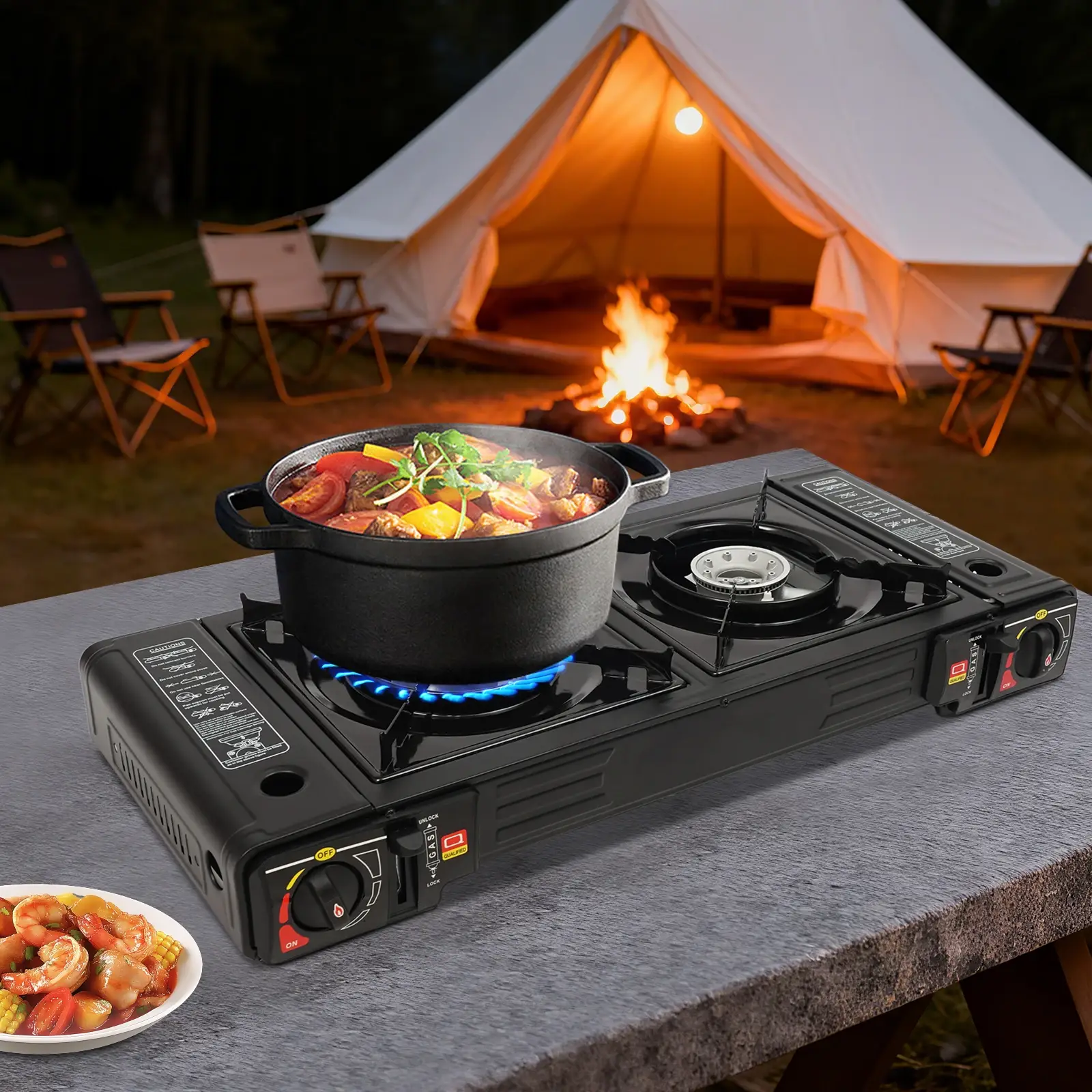
A portable camping stove is one of the easiest and most reliable choices. It gives you steady heat, works quickly, and allows you to cook meals much like you would at home. This is a great option for coffee, eggs, pasta, soups, skillet meals, and anything that needs a controlled flame.
Cooking over a campfire creates a classic camping feel, but it takes more patience. You need to wait until the fire burns down enough to create good cooking coals. Once that happens, you can roast food on sticks, place cookware over a grate, or use foil packet meals directly near the coals.
A grill grate is another useful tool if your campsite has a fire ring. It gives you a solid surface for pans, pots, and even direct grilling. If your campground already has one, that makes things even easier.
Each method has its benefits, and many campers like using both a stove and a fire. The stove handles fast cooking and boiling water, while the fire adds warmth, atmosphere, and that outdoor flavor people love.
Pack the Cooking Gear You Will Actually Use
You do not need a full kitchen to cook well outdoors. In fact, camping is easier when you keep your gear basic and practical. A few well-chosen items can cover most meals.
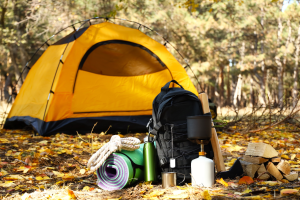
Start with the essentials: a stove or fire-safe cooking setup, fuel, a lighter or waterproof matches, one skillet, one pot, cooking utensils, a sharp knife, cutting board, plates or bowls, eating utensils, and mugs or cups. Bring a cooler if you are packing perishable food. Food storage containers or resealable bags are also helpful for keeping ingredients organized.
Do not forget cleanup supplies. Dish soap, a sponge, paper towels, trash bags, and a small wash bin can make a big difference. It is much easier to enjoy camp cooking when cleanup feels manageable instead of overwhelming.
It also helps to prep ingredients at home. Chop vegetables, portion out spices, marinate meats, and label containers before you leave. That way, your campsite cooking time becomes much easier and less messy.
Keep Meals Easy and Flexible
The best camping meals are the ones that do not require too many steps. You want food that comes together quickly and can handle a little improvising. Outdoor cooking is not always perfect. Wind, fire, limited light, and uneven surfaces can all affect your process. Simple meals make those challenges easier to manage.
Breakfast can be as easy as oatmeal, breakfast burritos, scrambled eggs, pancakes, or sausage and potatoes in a skillet. Lunch often works best with low-effort foods like sandwiches, wraps, fruit, trail mix, or leftovers from the night before.
Dinner is where many campers have the most fun. Foil packet meals are popular because they are easy to prep and cook. You can combine protein, vegetables, potatoes, and seasoning into one packet and let it cook near the fire. One-pot meals like chili, pasta, soup, or rice bowls are also great because they reduce cleanup and keep everyone full.
Skillet meals are another smart option. A single pan can handle stir-fried vegetables, grilled sandwiches, hash, quesadillas, or a hearty camp dinner with meat and potatoes. The simpler the meal, the more time you have to enjoy the outdoors instead of standing over the fire.
Use the Campfire Wisely
If you are planning to cook over a fire, timing matters. A large flame may look exciting, but flames are not always the best for cooking. In most cases, hot coals create more even heat and better results. Build your fire early so it has time to burn down before you start cooking.
Always keep safety in mind. Set up your cooking area carefully, keep flammable items away from the fire, and never leave it unattended. Have water nearby in case you need to put out stray sparks or handle an emergency.
When cooking over a fire, rotate food often and watch closely. Campfire heat can shift quickly, and what looks done on the outside may still need more time inside. Patience helps. So does keeping meals simple enough that they do not require exact temperatures or too much precision.
Store Food Safely
Food safety matters just as much at a campsite as it does at home. Cold foods need to stay cold, and raw ingredients should be separated from ready-to-eat items. Use a cooler with plenty of ice or ice packs and keep it closed as much as possible. Place meats in sealed containers so they do not leak onto other food.
Try to organize your cooler so you can find things quickly. Constantly opening it lets cold air escape and raises the temperature inside. If you are camping for multiple days, plan to eat the most perishable foods first.
Dry goods should be stored securely as well. Keep them sealed and protected from moisture, insects, and animals. Depending on where you camp, you may need to store food in a locked vehicle, food locker, or bear-safe container.
Cleaning up right after meals is another important part of food safety. Do not leave scraps out, and dispose of waste properly. A clean campsite is safer, more comfortable, and more enjoyable for everyone.
Make Cooking Part of the Experience
Camping meals do not need to be fancy to feel special. In fact, some of the best camp meals are memorable because they are simple. A warm breakfast in the cool morning air, a hot drink by the fire, or a skillet dinner after a long day outdoors can become the moments people remember most.
Invite everyone to help. One person can prep ingredients, another can handle the stove, and someone else can set up the eating area. Cooking together makes the process faster and turns mealtime into part of the fun rather than a chore.
It also helps to stay flexible. Maybe dinner takes longer than expected. Maybe the fire burns low. Maybe breakfast becomes brunch. That is all part of camping. The goal is not perfection. The goal is to enjoy good food in a beautiful setting and make the most of your time outside.
Finish Strong With Smart Camp Cooking Habits
The more you camp, the easier camp cooking becomes. You start to learn what meals work best, what gear you really use, and how to prep more efficiently next time. Start simple, pack thoughtfully, and focus on meals that are hearty, easy, and satisfying.
Cooking on your next camping trip does not have to be complicated. With a little planning, the right tools, and a few flexible meal ideas, you can enjoy delicious food outdoors without stress. From morning coffee to dinner under the stars, camp cooking can become one of the most rewarding parts of the trip. When the food is warm, the air is fresh, and the setting is peaceful, even the simplest meal can feel like something special.