Planning a camping trip can be exciting, but it can also feel a little overwhelming if you are not sure what to bring. Whether you are heading out for a quick weekend in the woods or planning a longer outdoor getaway, having the right gear and essentials can make a big difference. A well-packed camping trip helps you stay comfortable, safe, organized, and ready to enjoy your time outside. When you know you have what you need, it becomes much easier to relax and focus on the fun.
Start With the Basics for Shelter and Sleep
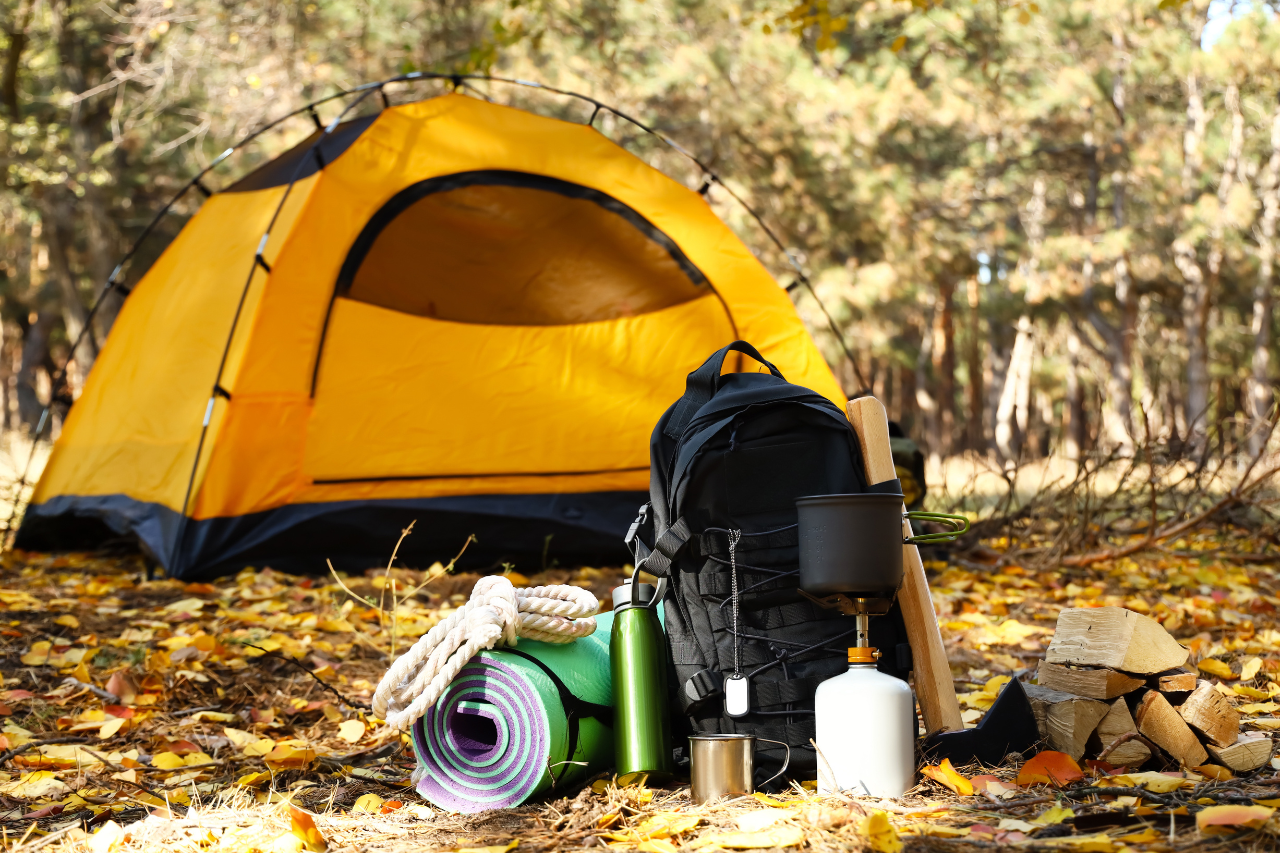
One of the first things you will need for your next camping trip is a reliable place to sleep. Your tent is one of the most important items you can bring. Make sure it is the right size for the number of people going and that it includes all the pieces you need, such as poles, stakes, and a rainfly. It is also a good idea to test your tent at home before you leave so you are not trying to figure it out at the campsite.
Along with your tent, pack sleeping bags that fit the weather conditions you expect. If the temperature might drop at night, choose sleeping bags that provide enough warmth. Sleeping pads or air mattresses are also useful because they add comfort and create a barrier between you and the cold, uneven ground. Pillows, extra blankets, and a tarp for under the tent can also make your sleep setup much more comfortable.
A good night of rest can completely shape your camping experience. If you sleep well, you will wake up ready to enjoy the day instead of feeling tired and uncomfortable.
Pack the Right Clothing for the Outdoors
Clothing can make or break a camping trip, especially when the weather changes. It is always best to pack in layers so you can adjust throughout the day. Mornings and evenings may feel cool, while afternoons may become warm and sunny. Lightweight shirts, long sleeves, comfortable pants, shorts, socks, and a warm hoodie or jacket are all smart choices.
You should also bring sturdy shoes or hiking boots that can handle dirt, rocks, and uneven trails. If you expect wet conditions, waterproof shoes or boots are even better. A hat can help protect you from the sun, while a beanie or heavier layer may be useful for cold evenings. Rain gear is important too. Even if the forecast looks clear, having a rain jacket or poncho can save the day if the weather changes.
Extra socks and clean clothes are often overlooked, but they can make a huge difference in your comfort. Dry, fresh clothing after a long day outdoors always feels worth it.
Bring Cooking Supplies and Food Essentials
Food is a big part of any camping trip, and being prepared makes outdoor cooking much easier. Start by planning simple meals and snacks before you leave. This helps you avoid overpacking and makes mealtime more organized. Once you know what you are eating, you can pack the right supplies.
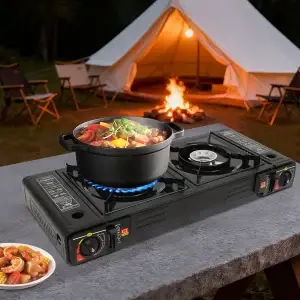
A camp stove, fuel, lighter, or waterproof matches are useful if you are not relying entirely on a campfire. You may also want a grill grate, skillet, pot, cooking utensils, plates, bowls, mugs, and eating utensils. A cooler with ice packs is important for keeping perishable food fresh. Dry foods should be packed in sealed containers or resealable bags to keep them protected.
Good camping food often includes easy items like sandwich supplies, fruit, granola bars, pasta, eggs, potatoes, canned goods, trail mix, tortillas, and ingredients for one-pot meals. Water is also essential. Bring plenty of drinking water, or pack a water filter or purifier if you will be refilling from a natural source.
Do not forget cleanup items such as dish soap, a sponge, paper towels, and trash bags. Keeping your cooking area clean makes camp life easier and helps protect the campsite as well.
Have the Right Lighting and Camp Tools
Once the sun goes down, lighting becomes one of the most useful things at camp. Flashlights, headlamps, and lanterns are all important items to bring. Headlamps are especially helpful because they let you keep your hands free while cooking, setting up gear, or walking around after dark. Pack extra batteries or make sure rechargeable items are fully charged before your trip.
A few basic tools can also come in handy. A pocket knife or multi-tool is useful for many small tasks around camp. Rope or paracord can help with hanging gear, securing tarps, or setting up other campsite needs. A small hatchet or firewood tool may be helpful if your campsite allows firewood prep, but check the rules first.
Camp chairs are another item many people are glad they packed. After a long day outside, it is nice to have somewhere comfortable to sit around the fire or enjoy a meal. A foldable table can also help if your campsite does not have one.
Do Not Forget Safety and First Aid Items
Safety should always be part of your camping checklist. A first aid kit is one of the most important things to bring. It should include bandages, antiseptic wipes, pain relief medicine, gauze, tape, tweezers, and anything else you may need for minor cuts, scrapes, or discomfort. If anyone in your group takes medication, be sure that is packed as well.
Navigation tools are worth bringing too, especially if you plan to hike or explore. A map of the area, compass, or charged phone with offline directions can be very helpful. Even if you think you know where you are going, it is always smart to have a backup plan.
You should also bring sunscreen, bug spray, and lip balm. These may seem small, but they can greatly affect your comfort over the course of a trip. A portable charger or power bank is another useful item if you want to keep a phone charged for safety, photos, or communication.
If you are camping in a more remote area, extra emergency supplies like a whistle, backup flashlight, and fire starters can add peace of mind.
Pack Personal Items for Comfort and Hygiene
Camping is more enjoyable when you feel clean and organized. Pack the personal care items you use most, such as a toothbrush, toothpaste, soap, hand sanitizer, toilet paper, wipes, and a towel. If your campsite has bathroom or shower facilities, these will be especially helpful. If not, they still help you stay fresh and comfortable.
You may also want to bring a small bag for dirty laundry, a mirror, and any skin care or health items you normally use. If you wear glasses, contacts, or need any daily essentials, double-check that you have them packed before leaving home.
Comfort items matter too. A favorite mug, an extra blanket, a hammock, books, card games, or a journal can all make downtime at camp feel more relaxing and enjoyable. Camping is not only about survival or basic needs. It is also about enjoying the experience.
Think About Weather, Location, and Activities
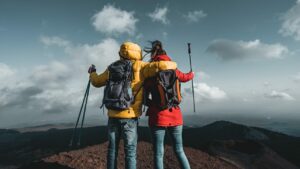
What you need for your next camping trip may also depend on where you are going and what you plan to do. If you are camping near water, you may want swimsuits, water shoes, towels, and fishing gear. If you are hiking, bring a backpack, refillable water bottle, trail snacks, and proper footwear. For colder weather, add extra layers, thicker sleeping gear, and warm accessories.
If you are camping with kids, pets, or a larger group, your list may grow. Make sure everyone has their own essentials, and consider shared items like extra food, larger cooking gear, or games for the group.
It helps to make a checklist before your trip so you can pack with confidence. That way, you are less likely to forget something important.
Get Ready to Enjoy the Outdoors
Camping becomes much more enjoyable when you arrive prepared. The right shelter, clothing, cooking gear, safety items, and personal comforts all work together to create a smoother and more relaxing trip. You do not need to pack everything imaginable, but you do want to bring the things that truly support your time outdoors.
When you have what you need, camping feels less stressful and more rewarding. You can spend more time enjoying the fire, meals, scenery, and quiet moments that make outdoor trips
so memorable. With thoughtful planning and a solid packing list, your next camping trip can be comfortable, fun, and full of great experiences from start to finish.